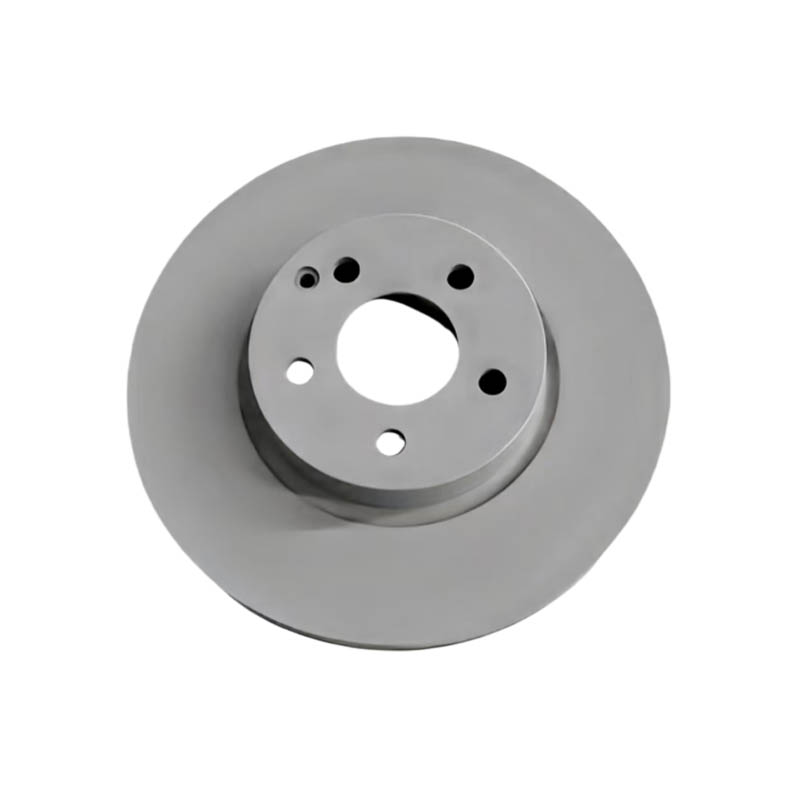
As a core safety component of the automotive braking system, brake discs are subjected to frequent thermal cycling and mechanical loads during long-term use, making them highly susceptible to thermal fatigue and structural cracking.
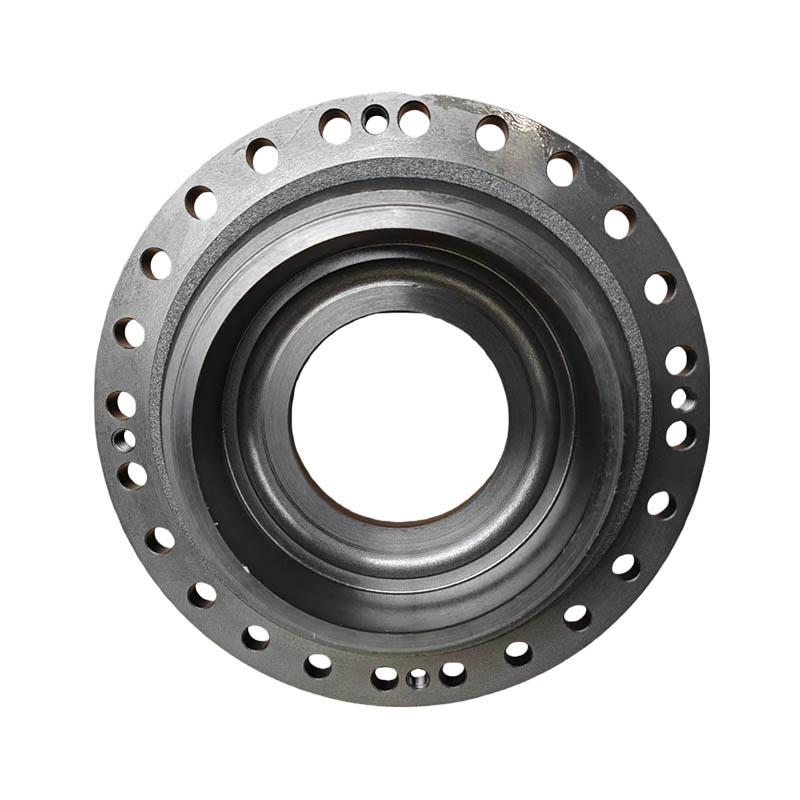
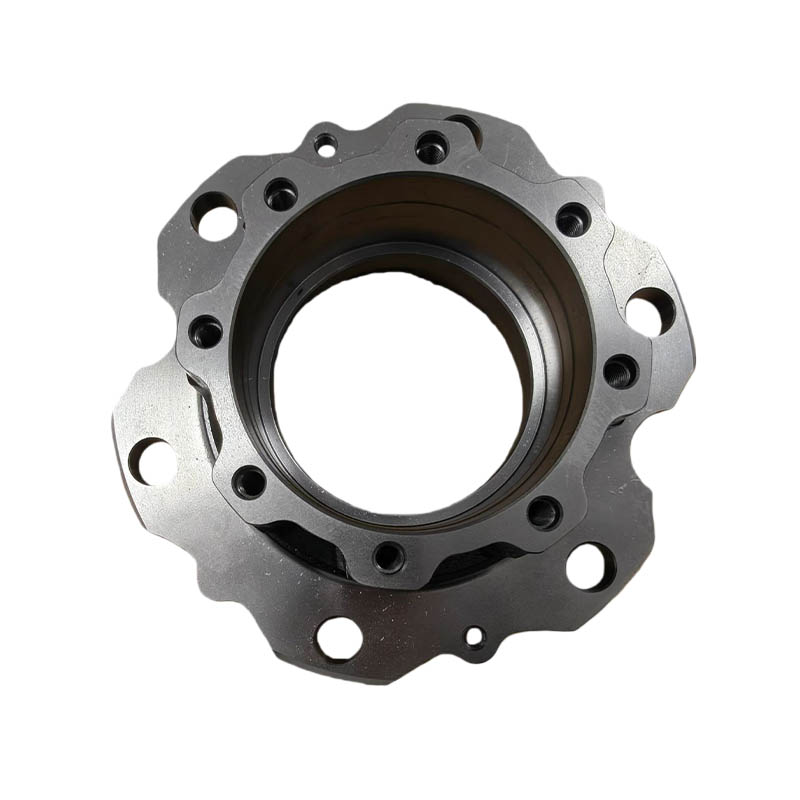
The assembly of wheel hubs and tires is a crucial step in automobile manufacturing and maintenance. Controlling the fit clearance directly affects the uniformity of tire wear, driving stability, and vehicle safety.
In the production of brake pads, the pressing process is crucial for controlling density uniformity, as it directly affects whether the product will have localized areas of excessive softness.
As crucial components connecting the tires and axles, automotive wheel hubs play a vital role in the overall stability of the vehicle at high speeds. The quality of dynamic balance directly affects whether the vehicle will experience vibration, drift, or
Hardness testing can indirectly determine whether the heat treatment process of a material is reasonable, avoiding premature wear due to insufficient hardness or brittle fracture caused by excessive hardness.
In the dynamic world of high-speed car travel, the powertrain provides the vehicle with the force to move forward, but what truly determines control and stopping is the pair of brake discs, silently rotating within the wheel hubs.